
The Freedom of Art, Again
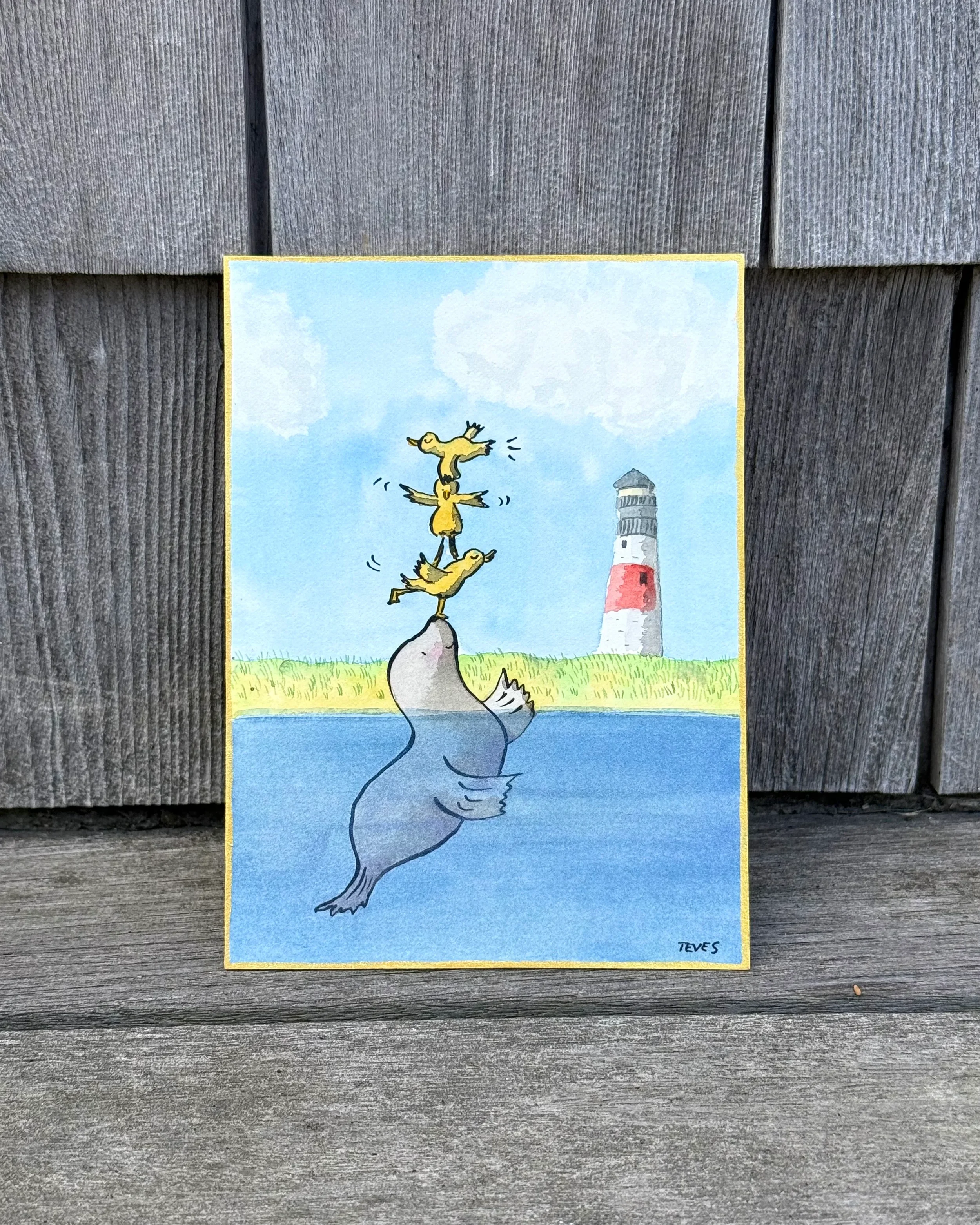
Visit my other site, www.kateteves.com to check out my handmade art.
In January of this year, I began to see what AI was doing, and I fell into something like a depression or a suffocation. I could barely speak about it. For four decades, I had attached myself to the art of writing with ropes so thick they could pull me through any of life’s muck. But this year, I began to feel the fibers fraying in my hands, and I started choking on mud.
Sometime in February, I had a meeting with Zach Schisgal, a publisher at Wiley. We talked about what AI was doing to the industry. With downcast eyes (for me, or for him, I'm not sure), he told me that Wiley had just become the first publisher to announce that they would accept works fully written and developed by AI.
"We want to get ahead of the curve," he explained. Two weeks later, Wiley released their official guidelines for AI writing.
The following week, I met with a literary agent at Aevitas. When I asked about AI, she insisted that agents can tell when writing is good and when it is bad, and good writers have nothing to worry about. "Publishers don't want AI junk," she said.
This, my friends, is what we call "a freakin' pipe dream." Ninety-five percent of published writing is already junk. So if AI can write that--and can do it in seconds--how exactly is the industry going to survive? More frightening, the language models are advancing so quickly that we, in fact, don’t know what levels of literary genius these machines might be able to reach.
April came. By now I had crawled out of my depression and replaced it with something like "the dogged pursuit of meaninglessness." I painted, I worked on my children's books, I polished my novel (it's about a teen chef in Utica).
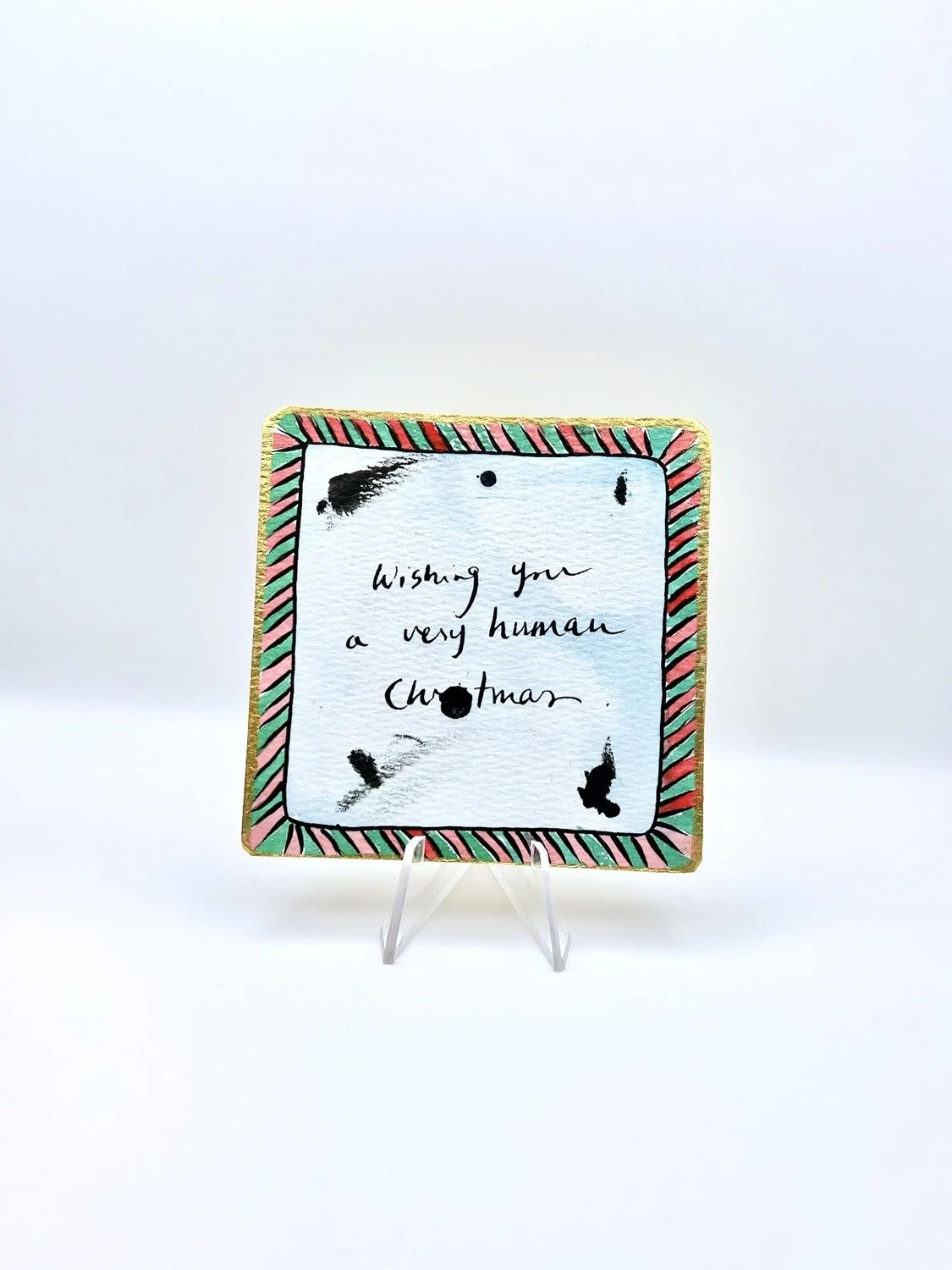
A Christmas card I made in 2025. It’s one of my favorites.
Once again, surprise, art was proving to be infused with meaninglessness—or perhaps the right word phrase is “birthed from meaninglessness.” And all my years in Nepal, hanging out with Buddhists, should have reminded me that meaninglessness is not the place for despair but rather the place for unfettered joy. No, let me correct that: the place for joyful unfettering.
I have no idea what the future holds for my work, for our work. But what I do know is that I’m alive, and while I’m alive I want to feel and to love and to hurt and to make. Wrinkle my skin with paint, cover my bones with words. We live. Unfettered, we live.
→ If you want to learn more about AI, I highly recommend the Hard Fork podcast from the NYT and the TLDR AI Newsletter.